Most westerners who haven't yet come across this form of meditation are squeamish about the thought of sitting face to face with their fear of death and dying. Even the card of "Death" in the Tarot pack has devilish overtones when, in fact, it is a card traditionally associated with change. When we spend time contemplating this, however, there is so much comfort and consolation to be drawn from that thought. Death is just another form of change.
Putting aside the "how" for a moment, the thought that everything we experience, acquire, attain or achieve in this existence will one day come to an end puts some perspective on the thought. There is actually nothing we can obtain in this lifetime that we can take with us when we go. Nothing.
Putting aside the "how" for a moment, the thought that everything we experience, acquire, attain or achieve in this existence will one day come to an end puts some perspective on the thought. There is actually nothing we can obtain in this lifetime that we can take with us when we go. Nothing.
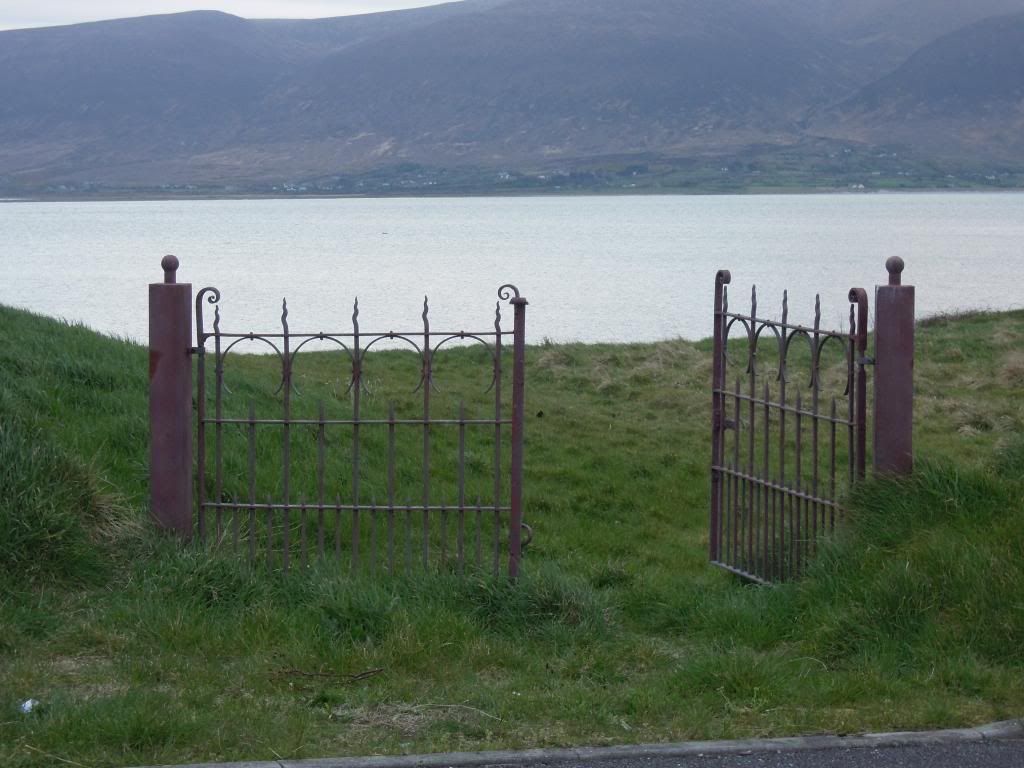
The signs of our attempts to cling onto this existence are all around us. They remain in the form of our buildings, our legacies, our landscapes. But each of these reminders steadily erodes unless they're extensively significant to somebody left behind. Eventually, however, their efforts to preserve the earthly remnants will be in vain because they will die themselves and can only trust that someone following will have a similar interest to preserve the physical objects or even the memories.

Even the tallest mountain and the toughest diamond is only in a temporary state and will eventually, over the course of millennia perhaps, change to something unrecognizable. So, the idea that we will cease to exist in any form in this earthly existence starts to have some bearing on the "how".
Although we suffer, this is part of the human condition. There is no rational or logical reason why someone suffers. Sometimes illness or misfortune may be the result of an action or a habit such as driving too fast, drinking or smoking and sometimes it can be the result of pure "bad luck", though luck is probably a human superstitious label for the course of good or bad events in life. Ultimately things don't happen "to" us. They just happen.
Understanding that is to accept that we don't have control over events. It also helps us understand that though people may act unkindly towards us, they do not have the ability to control our perception of that unkindness. We can choose to resist or resent their actions or to accept their actions without bitterness or judgement but, make no mistake, the choice is our own and creates the emotional response we experience as a result.
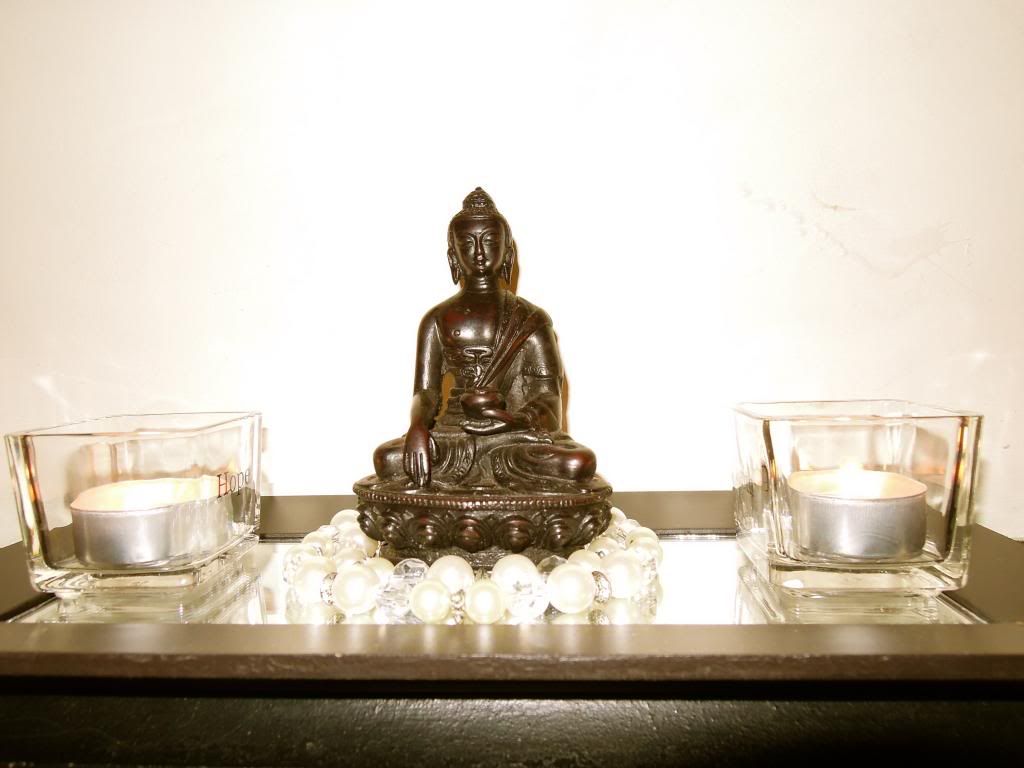
Gazing on an image or statue of the Buddha is a way of reminding ourselves of this fundamental truth. It focuses our minds and reminds us of the basic fundamental truths of life, one of which is that suffering is inevitable and part of the human condition. The value of gazing upon the Buddha lies in the other parts of that truth which tell us that there are origins of suffering and that we can alleviate suffering by addressing the origins. This is all bound up with our thoughts. We can start to address this with in depth meditation and using techniques to calm our minds we can start to address any imbalances we have in our fundamental understanding of this philosophy.
Although we don't have the power to control our lives we do have the power to control how we feel about them. It's possible to be in the best job, the most idyllic habitat, in a beautiful relationship and still be unhappy - because you want the latest car or you're in love with an imagined scenario of how it would be to have an affair with your neighbour... or because you're worried about whether the momentary state will continue tomorrow, next week, or next year.
It's also possible to be in the most terrible state and still be happy. My own father was a prisoner of war in Japan for three and a half years during the Second World War. His stories are not a topic for discussion here but the inspirational example of how he used that experience to develop himself is a great lesson to me. He never resented his guards or his captivity and in my experience he never showed any bitterness towards the Japanese at any point in his life, despite suffering Parkinson's Disease for nigh on 30 years, possibly as a result of some of his malnutrition and illness during his captivity.

Instead of emerging as a vessel of resentment and bitterness after being a prisoner from the age of 16 until he was 20 years old he emerged with a profound sense of direction and faith and he also had linguistic skills and a musical education he'd never dreamed of before enlisting in the Merchant Navy! The iron ship, the SS Kirkpool, on which he'd sailed the oceans, and its very dramatic sinking on 10th April 1942, was a very real reminder of the fact that nothing in this life is permanent.
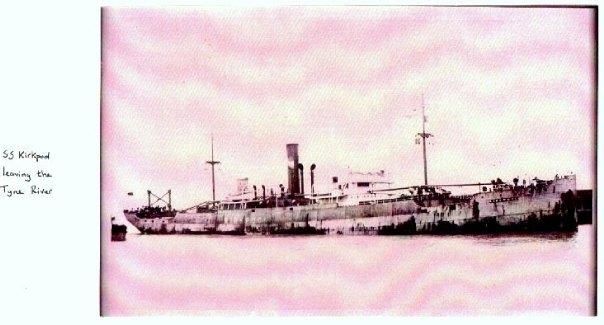
He never lost this attitude to life. It's a lesson to me. Now that he has gone and all that remains of his experiences, his suffering, his pain and his unbeatable positive attitude to life is the memory that I preserve inside my own head, I realize that the state of suffering, the "how" we eventually arrive at the moment of our death, is a temporary state in itself and will eventually pass. It doesn't matter what we believe. Our death is the only certainty in life and once that becomes an integrated truth the perspective of our existence changes somewhat.
This is not a depressing thought. On the contrary, it's an uplifting and liberating thought. It encourages us to make the best of what we have right now. It stops us hankering after objects and desires that may never become a reality. And it liberates us from the slavery of worrying about states that will certainly not last forever.

We would be mad not to pursue our hopes and dreams or to seek pleasure in this life. That is the purpose of our existence - to express the creative potential that the Universe intended for us. But the fundamental truth is that our role is to alleviate the suffering of all living beings, starting with getting our own minds in order. The understanding that we only exist in a temporary state is possibly the first step to releasing our grip on the fears and emotions that are governed by the illusion that all this is permanent.
Things will change. Sometimes they'll change for what we will welcome as better. Sometimes they'll change for what we mistakenly believe to be worse. But change they will and when they do it will only be a matter of moments before they change again.

Perfectly said, Jools. :) Couldn't agree more!
ReplyDeleteThanks so much Susan!
Delete